Roof leak water extraction in Forty Acres: when to call a pro
A roof leak in Forty Acres rarely announces itself with a waterfall. Here is exactly when a small stain becomes a job for a pro - and what it costs in 2026.
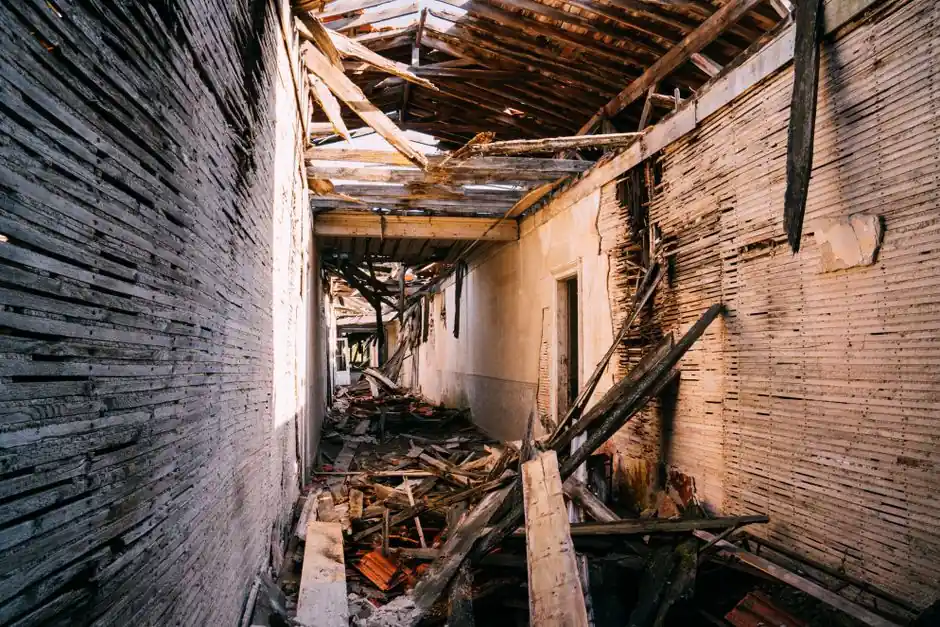
Call a pro the moment a roof leak in Forty Acres has been active for more than a few hours, has soaked insulation or drywall, or has spread past a single ceiling stain - because mold can colonize wet framing in 24 to 48 hours and the water almost never stops where you see it. If you are catching drips in a bucket and the stain is still the size of a dinner plate, you have a few hours to act. If the ceiling is sagging, the wall is soft, or you smell that damp-paper odor, you are already past the DIY window.
Roof leak water extraction in Forty Acres wilmingtonde Delaware is the process of removing trapped water from ceilings, walls, insulation, and subfloor after a roof breach, then drying the structure so mold never gets a foothold. We do this work every week in the older rowhouses and detached homes around the neighborhood, and the pattern is almost always the same: the homeowner noticed the stain two weeks ago and hoped it was a one-time thing.
Below we cover how Forty Acres roof leaks behave, what extraction and drying actually involve, 2026 pricing, insurance, and the mistakes that turn a $900 job into a $9,000 one.
The short answer: when a roof leak in Forty Acres needs a pro
Roof leak water extraction in Forty Acres wilmingtonde Delaware is a professional service that is needed whenever water has moved past the visible stain into insulation, drywall, or framing - which is most of the time after a leak has run overnight.
Here is the honest threshold we give homeowners on the phone:
- Call us today: the stain is growing, the ceiling feels soft or bowed, water is running down a wall, or the leak started during a storm and has been going for hours.
- Call us this week: the stain is dry to the touch but has a brown ring, the paint is bubbling, or you smell something musty in that room.
- You can probably wait for a roofer: a single small stain that appeared and stopped, with no softness, no smell, and no spread - but get the roof itself looked at before the next rain.
What tips most people over the line is that roof leaks travel. Water enters at the roof deck, runs along a rafter, and drops through the ceiling somewhere else entirely. The stain on your ceiling is rarely where the hole is. That is why a moisture meter and a thermal camera matter more than a bucket.
Why Forty Acres roof leaks behave differently
Forty Acres sits in one of the older parts of Wilmington, and the housing stock shows it - slate and asphalt roofs layered over original sheathing, brick party walls, and plaster-and-lath ceilings that hold water like a sponge before they ever show a stain.
Three things make leaks here different from a newer subdivision:
- Plaster hides water. A lath-and-plaster ceiling can absorb a gallon before you see a drip. By the time the stain appears, the cavity above it is already wet.
- Original roof decks. Board sheathing gaps let water travel horizontally along the underside of the roof, so the leak entry and the ceiling damage can be 10 or 15 feet apart.
- Shared walls. In the rowhouse blocks, water that gets into a party wall can wick sideways into a neighbor's unit. We have pulled wet insulation out of a wall in one home and found the source was a flashing failure two doors down.
Fall is when we get the most calls. October and November storms here drop two to three inches of rain in a day, and that is enough to push water through a flashing gap that stayed dry all summer. If your roof is more than 20 years old and you have not had it inspected since last winter, this is the season to do it.
What we actually do during roof leak water extraction
Roof leak water extraction in Forty Acres wilmingtonde is not just vacuuming up a puddle - it is finding every wet cavity the water reached, pulling the water out, and drying the structure to a verified moisture level before we leave.
Here is the sequence our technicians run:
- Locate the full extent. Thermal imaging and pin-type moisture meters map the wet zone. We mark it with tape so you can see how far it actually spread.
- Stop the source. If the roof breach is still open, we tarp it. We are not roofers, but we can stop the water long enough to dry the interior, and we will tell you plainly if you need a roofer before we can finish.
- Extract standing water. Truck-mounted extraction pulls water out of carpet, padding, and any pooled areas. For water sitting in a low ceiling cavity, we use a weighted extraction head and a piercing valve to drain it.
- Remove unsalvageable material. Saturated insulation, blown-in cellulose, and drywall that has lost its structural integrity come out. Wet insulation does not dry in place - it has to go.
- Dry the structure. We set air movers and refrigerant or desiccant dehumidifiers, then check moisture readings daily until the framing matches a dry standard for the area.
- Verify and document. Every reading gets logged with photos. That documentation is what your insurance adjuster actually wants.
A typical single-room roof leak in Forty Acres takes three to four days of drying. A leak that has been running for a week and has soaked a wall cavity and subfloor can run six to eight days. We do not pull equipment early to save a day - we pull it when the meter says the wood is dry.
How much does roof leak water extraction cost in Forty Acres in 2026?
Typical 2026 pricing for roof leak water extraction in Forty Acres runs $650 to $1,400 for a single-room leak caught early, and $2,200 to $5,500 when the water has reached wall cavities, insulation, or the subfloor.
The variables that move the number most:
- How long the leak ran. A leak caught the same day is a different job than one that has been dripping for two weeks.
- What got wet. Carpet and pad are cheap to handle. Plaster, hardwood, and subfloor are not.
- How many rooms. Water follows the path of least resistance, and in a rowhouse that path often crosses a wall.
- Mold. If mold is already present, extraction becomes remediation and the price climbs fast.
We give you the price before we start, and it does not change unless we find something we could not see on the initial walkthrough - and if that happens, we stop and call you before we touch it. You can see our full range of interior drying and extraction services on our Water Damage Restoration in wilmingtonde, Delaware page.
Does insurance cover roof leak water removal in Forty Acres?
Most homeowners policies cover the water damage from a sudden roof leak - the ceiling, walls, floors, and contents - but not the roof repair itself, and the distinction matters in Forty Acres because so many roofs here are at the end of their service life.
What that usually means in practice:
- Covered: sudden and accidental water damage from a storm-created opening, a fallen branch, or a one-time flashing failure. Extraction, drying, and replacing damaged drywall and insulation are typically included.
- Usually not covered: the roof repair or replacement, and long-term seepage the insurer decides you should have noticed and fixed.
- Sometimes disputed: leaks where the adjuster argues the roof was already failing. Documentation from the day you called us is your best defense.
We photograph and meter everything before we move a single piece of furniture, and we hand you a moisture report you can send straight to your adjuster. If your carrier sends an adjuster out, we will walk the job with them. That one step is the difference between a claim that gets paid and one that gets argued for three months.
Common mistakes we see after a roof leak
The most expensive mistake homeowners in Forty Acres make after a roof leak is treating the visible stain as the whole problem - because the water that soaked the framing above it is invisible and does the real damage.
These are the ones we see over and over:
- Painting over the stain. Kilz and a fresh coat of ceiling paint hide the evidence and trap moisture in the drywall. The stain comes back in three weeks with mold behind it.
- Running a box fan and calling it dry. A household fan moves air. It does not pull water out of a plaster ceiling or a wall cavity. You need extraction and dehumidification, not circulation.
- Waiting for the roofer first. The roofer fixes the hole. The water is still in your ceiling, and it is still spreading. Fix the roof and start drying the same day.
- Assuming the bucket caught it all. A five-gallon bucket under a slow drip can hide a saturated ceiling cavity. If the ceiling is soft, the bucket did not catch it.
- Skipping the wall. Water that runs down a stud bay soaks the insulation and the bottom plate. We pull baseboards on almost every roof leak job for exactly this reason.
One more: do not turn the heat up to "dry it out." Warm air holds more moisture, and in a closed room that moisture just re-condenses on the coldest surface - usually the exterior wall, where it feeds mold.
When to call a professional
Call Wilmington Water Damage Pros when the leak has been active for more than a few hours, when the wet area is larger than a single ceiling tile, or when you can smell damp air in a room that was dry last week.
You should also call us if any of these are true:
- The ceiling is bowed, sagging, or feels spongy.
- Water is running down a wall or pooling at the baseboard.
- You see discoloration spreading along a wall or across a ceiling.
- The leak happened during a storm and the roof breach is still open.
- Anyone in the house has asthma or allergies - mold from a roof leak hits them first.
We handle the extraction and drying, and we can coordinate with your roofer so the repair and the dry-out happen in the right order. For leaks that have reached a wall cavity, we bring in wall water damage drying in wilmingtonde, Delaware equipment to dry the stud bay without tearing out more drywall than necessary. If the water has made it into the basement through a ceiling or a wall chase, we also handle basement water removal in wilmingtonde, Delaware so the whole path gets dried, not just the room where the stain showed up.
Frequently Asked Questions
When should I call a pro for a roof leak in Forty Acres wilmingtonde?
Call the same day if the leak has run more than a few hours, if the ceiling or wall feels soft, or if the wet area is bigger than a dinner plate. Mold can start within 24 to 48 hours, so the first day matters more than any other.
How much does roof leak water extraction cost in Forty Acres Delaware?
In 2026, expect $650 to $1,400 for a single-room leak caught early, and $2,200 to $5,500 if water reached wall cavities, insulation, or the subfloor. Mold remediation pushes the number higher. We quote before we start.
Who do I call for a roof leak in Forty Acres wilmingtonde?
Call a water damage restoration company first, then your roofer. The restoration crew stops the interior damage and starts drying; the roofer closes the breach. We can tarp an open roof and coordinate with your roofer so both happen the same day.
Does insurance cover roof leak water removal in Forty Acres Delaware?
Most policies cover the sudden water damage - ceilings, walls, floors, contents - but not the roof repair itself. Long-term seepage is often excluded. Our moisture report and photos give your adjuster what they need to approve the claim.
Can I just dry a roof leak myself with fans?
For a small, caught-immediately leak in an open room, maybe. For anything that soaked insulation, plaster, or a wall cavity, no - household fans move air but do not remove water from building materials. Trapped moisture leads to mold within days.
Get help with Water Damage Restoration in wilmingtonde
If your ceiling is stained, your wall is soft, or you are still catching drips from a storm two days ago, the clock is running. We handle roof leak water extraction in Forty Acres and across Wilmington - extraction, structural drying, and documentation for your insurance claim.
Call Wilmington Water Damage Pros at (302) 616-0751. We answer 24/7, and we can be at your door the same day.