We open the cavity, pull the water, and dry your walls to standard
Wall Water Damage Drying in wilmingtonde, Delaware
Wall water damage drying in wilmingtonde, Delaware means getting moisture out of the stud bay before mold takes hold. We handle wall water removal in wilmingtonde for burst pipes, roof leaks, and appliance failures, then dry the assembly with calibrated equipment. Water wicks up drywall fast, so the first 24 to 48 hours decide whether you patch or replace.
Live dispatcherUpfront optionsBacked workmanship
What's included
What Our Wall Water Damage Drying Includes
Every wall drying job starts with moisture mapping and ends with a documented dry standard. Here is what is covered in a standard scope, and what we quote separately if your job needs it.
Moisture Mapping
We map the full wet area with a moisture meter, thermal imaging camera, and hygrometer, including behind baseboard trim and inside the cavity. You get photos and readings, not a verbal guess about how far the water traveled.
Water Extraction
Standing water comes out with a water extraction vacuum before we set any drying equipment. Removing the bulk water first is what lets the wall cavity dry in days instead of weeks.
Cavity Drying Setup
We set air movers and dehumidifiers, and on closed walls we install an injectidry wall drying system to push dry air behind the drywall. Equipment runs 3 to 5 days with daily moisture checks.
Antimicrobial Treatment
Framing and the back of the drywall get antimicrobial spray where water sat long enough to raise mold risk. This follows the Delaware Division of Public Health mold remediation guidelines.
Daily Documentation
We log moisture readings, equipment placement, and photos every day, then format the file for Xactimate. That record is what proves the wall is dry and supports your insurance claim.
Drywall and Trim Rebuild
When a wall has to come out, we replace the drywall, insulation, and baseboard trim and finish it. One crew handles the rebuild, so nothing sits open while you wait on another contractor.
Service overview
What Wall Water Damage Drying in wilmingtonde, Delaware Involves
Wall water damage drying in wilmingtonde, Delaware is the controlled removal of moisture from drywall, insulation, studs, and baseboard trim after a leak or flood. Water travels sideways and downward inside a wall cavity, so the wet spot you see is usually smaller than the wet area behind it. We map the full extent with a moisture meter and thermal imaging camera, then dry the assembly until readings match a dry standard.
Most calls we run in wilmingtonde come from frozen pipes in older rowhouses, water heater failures, and roof leaks after a storm. Brick and plaster walls common in Trolley Square and Brandywine Village hold water differently than modern drywall, and they need longer, gentler drying cycles. If you search dry walls after water leak wilmingtonde, the goal is the same: stop the source, extract standing water, and dry the cavity before mold growth after water damage sets in.
How we workWe verify the cause, compare realistic options, and confirm the repair before we leave.
The service timeline
Our Wall Drying Process, Step by Step
The process flexes to the condition, but these checkpoints keep decisions clear.
Emergency Call
You call (302) 616-0751 and describe what happened. We ask about the source, how long the wall has been wet, and whether water is still running. For a burst pipe or sewage backup, we roll 24/7 and give you an arrival window on the call.
Inspection and Mapping
On site, we shut down or confirm the source, then map the wall with a moisture meter, hygrometer, and thermal imaging camera. A boroscope inspection camera lets us look inside the cavity without cutting a large hole. This takes 30 to 60 minutes on a typical wall.
Extraction and Demo
We pull standing water with a water extraction vacuum and remove saturated insulation, absorbent pads, and any drywall that cannot be saved. Baseboard trim comes off so air reaches the bottom plate. This stage runs one to three hours depending on wall length.
Drying Setup
We set air movers and dehumidifiers, and on closed cavities we install an injectidry wall drying system to push warm dry air behind the drywall. Desiccant or refrigerant dehumidifiers hold the room below 50 percent relative humidity. Equipment runs 3 to 5 days on most walls.
Verification and Close-Out
We take daily moisture readings and compare them to the dry standard from the ANSI/IICRC S500. When the wall hits target, we pull equipment, replace insulation and drywall, and hand you a final report with photos and readings for your records.
Tools & methods
Tools and Methods We Use on Wet Walls
Purpose-built equipment, used by trained technicians, so the job is done accurately the first time.
Moisture meter and hygrometer
We use these to measure moisture content in drywall, studs, and the air, and to confirm when the wall has reached the dry standard.
Thermal imaging camera
It shows temperature differences that reveal hidden moisture behind walls without opening the whole surface.
Boroscope inspection camera
A small camera goes through a 1-inch hole so we can see inside the cavity and check insulation and framing before we cut.
Injectidry wall drying system
It pushes warm dry air directly into a closed wall cavity, which dries the back of the drywall and the studs faster than room air alone.
Dri-Eaz and Phoenix air movers and dehumidifiers
Calibrated drying equipment that holds the room below 50 percent relative humidity and keeps the drying curve on schedule.
Water extraction vacuum
We pull standing water off the floor and out of carpet before setting drying equipment, so the wall stops absorbing moisture from below.
Floor drying mat system
It dries the subfloor and the bottom of the wall at the same time, which prevents the floor from re-wetting the wall plate.
Use cases
When to Call for Wall Water Damage Drying
These examples show how the service framework adapts rather than forcing every call through one repair.
Water Heater Failure in a Riverfront Condo
A 12-year-old water heater failed overnight and dumped water into the shared wall between two units. Both sides of the drywall were wet, and the neighbor's unit had a damp stain spreading up the wall. → We extracted the water, treated both sides of the cavity with antimicrobial spray, and dried the wall from both units for five days. Both owners got documented readings for their claims, and the shared wall stayed in place.
Dishwasher Leak Behind a Kitchen Wall
A dishwasher supply line leaked behind the cabinet in a Cool Spring home for about a week. The drywall behind the unit was wet, the baseboard trim had started to cup, and the subfloor panels underneath were damp. → We found the source with a moisture meter, pulled the water, and dried the wall and subfloor together with a floor drying mat system. Three days later the readings were at the dry standard, and the cabinet went back without rot.
Problems we solve
Wall Water Problems We Solve in Wilmington
Most wall damage we see started small and got ignored. Here are the problems we run into most and how we handle them before they turn into a rebuild.
Hidden moisture behind walls after a slow leak
We use a moisture meter and thermal imaging camera to find the full wet zone, then dry the cavity with an injectidry wall drying system. Catching it at the stain stage usually means drying instead of replacing.
Frozen pipes that burst in older rowhouses
We shut the line, extract the water, and open the wall cavity so it dries. We also check the subfloor and the wall below, because water from a burst pipe rarely stays on one level.
Mold growth after water damage
We start drying the same day we extract and treat framing with antimicrobial spray. Our technicians hold IICRC AMRT credentials and follow the Delaware Division of Public Health mold remediation guidelines.
Subfloor rot under a wet wall
We dry the wall and subfloor together with a floor drying mat system and check both with a moisture meter. If rot has already started, we replace the subfloor panels as part of the rebuild.
Pricing process
What Wall Water Damage Drying Costs
$450 - $6,500 depending on scope
Wall length and height
A 10-foot wall dries faster and cheaper than a 30-foot run. Taller walls and two-story cavities need more equipment and more setup time, which raises the labor and equipment cost.
How long it has been wet
A wall wet for 24 hours usually dries in place. A wall wet for a week often has softened drywall and mold risk, which means demo, antimicrobial treatment, and a rebuild.
Wall material
Modern drywall dries in 3 to 5 days. Plaster-and-lath walls common in older Wilmington rowhouses take 5 to 7 days and need gentler airflow, which adds equipment time.
Customer reviews
What Wilmington Neighbors Say
★★★★★
“A pipe froze and let go behind our upstairs bathroom wall. Wilmington Water Damage Pros was here the same afternoon, cut a small inspection hole, and set an injectidry system. Four days later the readings matched the dry standard and they patched the drywall. No mold, no full wall replacement, and the claim went through without a fight.”
★★★★★
“Our 1920s rowhouse has plaster walls, and two other companies told us they would just tear it out. This crew used a boroscope to check the cavity, dried it slow over six days, and saved the plaster. They logged every moisture reading and sent the report to our adjuster. Honest work.”
★★★★★
“A water heater failed in one of our units and soaked the wall between two rooms. They extracted the water, treated the framing with antimicrobial spray, and dried both sides of the wall. We had a tenant back in the unit in five days. I have used them on three buildings since.”
Questions before we arrive
Frequently Asked Questions About Wall Water Damage Drying
How much does wall water damage drying cost in wilmingtonde Delaware?
Most single-wall drying jobs in wilmingtonde run $450 to $1,800 in 2026, depending on wall length, how long it has been wet, and whether drywall has to come out. A small appliance leak behind one wall sits near the low end. A burst pipe that soaked two rooms and a subfloor pushes toward the top. We give you the number before we start, and we document everything for your insurance claim.
How long does it take to dry wet walls in wilmingtonde?
Plan on 3 to 5 days for a typical wall cavity with air movers and a dehumidifier running. Plaster-and-lath walls in older Wilmington rowhouses can take 5 to 7 days because they release moisture slowly. We check readings daily and pull equipment the day the wall hits the dry standard, not on a fixed schedule.
Do wet walls need to be replaced in wilmingtonde Delaware?
Not always. If the drywall is still firm and the paper has not separated, we can often dry it in place with an injectidry wall drying system and save the wall. Drywall that has sagged, crumbled, or grown visible mold comes out. We make that call after moisture mapping, not before, so you are not paying for replacement you do not need.
Who fixes wall water damage near me in wilmingtonde?
Wilmington Water Damage Pros handles wall water damage repair and drying in wilmingtonde, from extraction through drywall and paint. We are IICRC certified, a Delaware licensed home improvement contractor, and an EPA Lead-Safe Certified Firm, so we can work in pre-1978 homes without creating a lead hazard. Call (302) 616-0751 and we will schedule an inspection.
Related services
Related Services
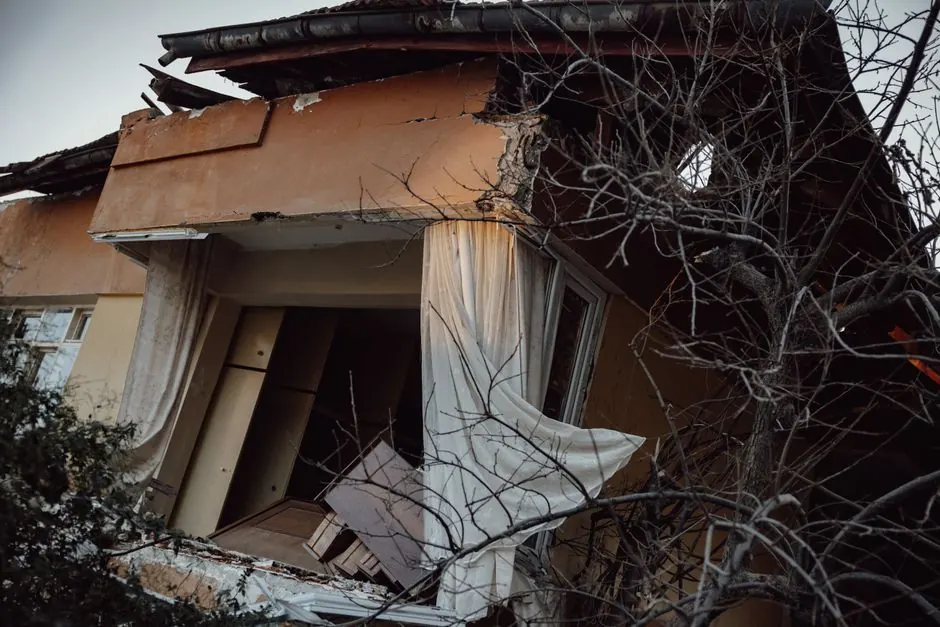
Emergency Water Damage Restoration
When a wall is wet from a burst pipe or storm, emergency water damage restoration stops the source and starts drying the same day. We hand off directly into wall water damage drying in wilmingtonde, Delaware so the cavity does not sit wet overnight.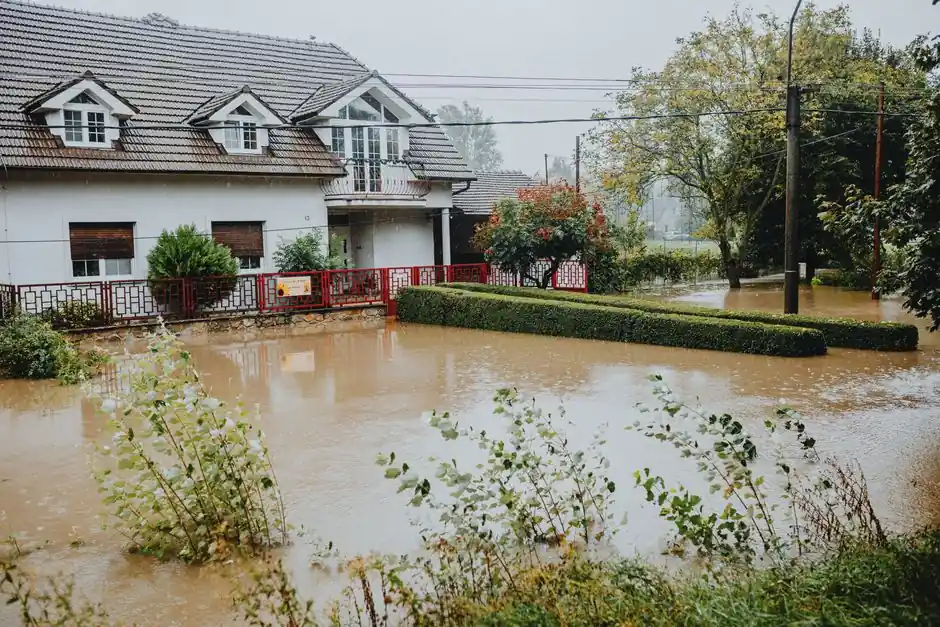
Residential Water Damage Restoration
Homes in Trolley Square and the Highlands get full residential water damage restoration, from extraction to rebuild. Wall drying is usually the longest stage, so we map the cavity early and set equipment before the rest of the house is finished.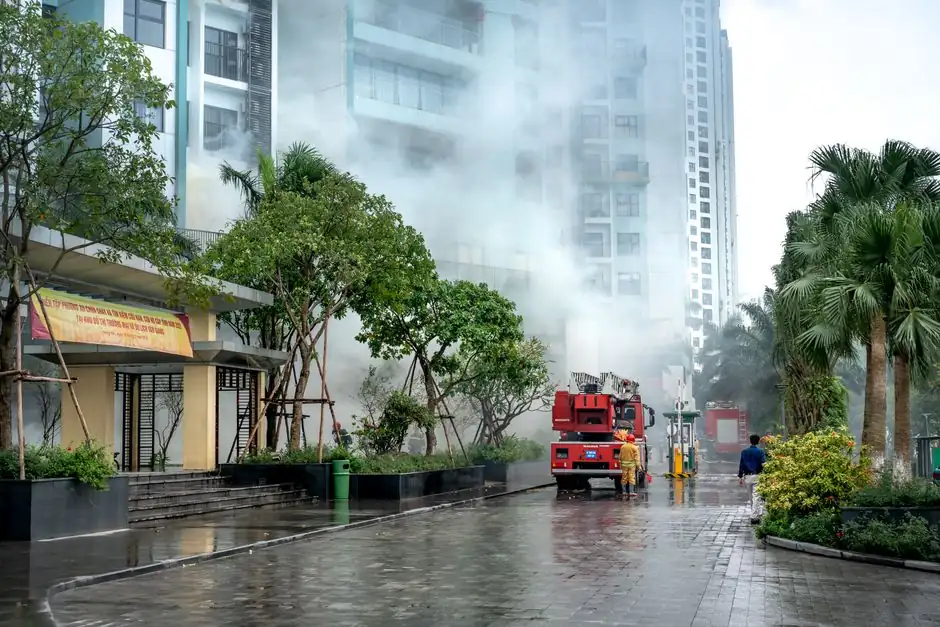
Commercial Water Damage Restoration
Offices and storefronts downtown need walls dry before reopening. Commercial water damage restoration runs alongside our wall drying work so a supply line leak behind a partition does not shut your business down for a week.Ready when you are
Call Now for Wall Water Damage Drying in wilmingtonde, Delaware
Every hour a wall stays wet raises the odds of mold and a full rebuild. We answer 24/7, run same-day emergency calls, and give you the price before we start. Call (302) 616-0751 and we will map your wall and set drying equipment today.
Talk with the local team
Request Wall Water Damage Drying
Water does not wait for business hours, and neither do we. Call (302) 616-0751 any time, day or night, and a live dispatcher will get a crew moving toward your address. Most wilmingtonde calls get a truck on site within 60 minutes.