
24/7 emergency extraction, drying and flooded basement cleanup
Flood Water Removal in wilmingtonde, Delaware
Flood water removal in wilmingtonde, Delaware starts with a phone call and ends with a dry, verified structure. We pull standing water, dry the framing, and handle flooded basement cleanup for homeowners across Downtown Wilmington, the Riverfront and Trolley Square. Storm flooding, burst pipes and sump failures do not wait for business hours, and neither do we. Call (302) 616-0751 any hour.
Live dispatcherUpfront optionsBacked workmanship
What's included
What Our Flood Water Removal Includes
Every flood water removal job includes the inspection, extraction, drying setup and final verification. Add-on work like drywall replacement, flooring reinstall or mold remediation is scoped separately only when the damage calls for it, and you will see it in writing before we start.
Moisture Inspection and Mapping
We walk the property with a moisture meter, thermal imaging camera and hygrometer, then check wall cavities with a boroscope inspection camera. This 20 to 40 minute inspection tells us how far the water traveled and sets the drying plan for the rest of the job.
Standing Water Extraction
Truck-mounted water extraction vacuums and portable units clear standing water from carpet, tile and concrete. A typical flooded basement clears in two to four hours. We use weighted extraction on carpet to pull water from the pad before we move to drying.
Structural Drying Setup
We position Dri-Eaz and Phoenix Restoration Equipment air movers and dehumidifiers, plus desiccant units on larger jobs. Drywall cavities get an injectidry wall drying system or floor drying mat system where the water has traveled into the assembly.
Antimicrobial Treatment
Affected framing, subfloor panels and baseboard trim get antimicrobial spray after extraction. This is what stops mold growth after water damage from taking hold in the first 48 hours. We follow Delaware Division of Public Health mold remediation guidelines when materials have to come out.
Daily Moisture Monitoring
We log moisture readings every day and adjust equipment placement as the structure dries. You get the drying log at the end. If any area is still above the dry standard, equipment stays until it is not, at no additional charge.
Insurance Documentation
Photos of every affected room, moisture readings and a room-by-room scope written in Xactimate. We send it to your adjuster and answer their questions directly so you are not stuck relaying numbers back and forth during a stressful week.
Service overview
What Flood Water Removal in wilmingtonde, Delaware Involves
Flood water removal in wilmingtonde, Delaware is the process of extracting standing water from a home or business, then drying the structure and its contents until moisture readings return to normal. It is not a shop vac job. We use truck-mounted extraction, air movers, dehumidifiers and moisture meters to pull water out of carpet, subfloor panels, drywall and wall cavities. Every job follows the ANSI/IICRC S500 Standard, which sets the drying targets we measure against before we call a room dry.
Most calls we take in wilmingtonde come from three sources: storm flooding after a heavy rain, a burst pipe or frozen pipes in a cold snap, and appliance leaks from a water heater or washing machine. Water that sits more than 24 hours starts feeding mold growth behind walls, and subfloor rot follows fast. That is why we treat flooded basement cleanup in wilmingtonde Delaware as an emergency, not a scheduled appointment. If you can see standing water, call us now.
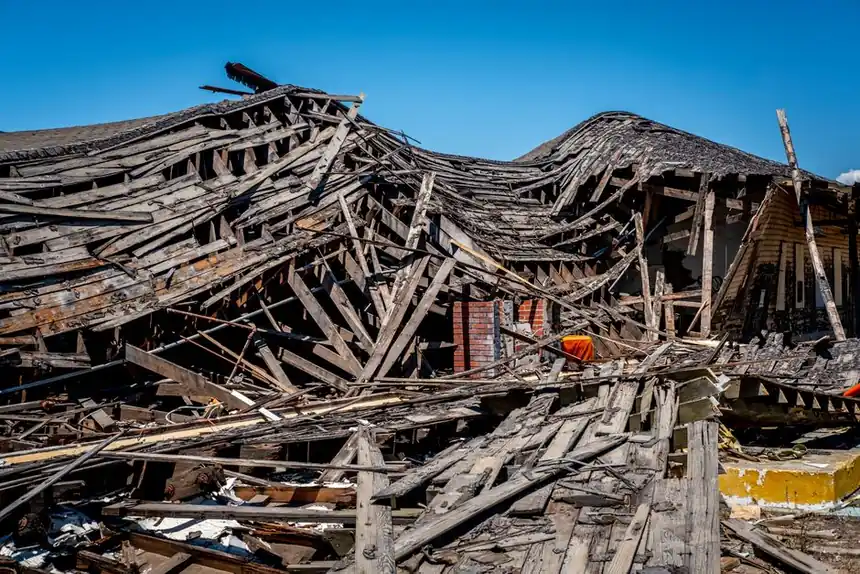
How we workWe verify the cause, compare realistic options, and confirm the repair before we leave.
The service timeline
Our Flood Water Removal Process
The process flexes to the condition, but these checkpoints keep decisions clear.
Emergency Call
You call (302) 616-0751 and describe what you see: how deep the water is, which rooms are affected, and whether the source is still running. We ask about your sump pump, water heater and shut-off valve so we can tell you what to do before we arrive. Crews roll 24/7 across wilmingtonde.
Inspection and Mapping
On arrival we walk the property with a moisture meter, thermal imaging camera and hygrometer, then check wall cavities with a boroscope inspection camera. This takes 20 to 40 minutes and tells us exactly how far the water traveled, including hidden moisture behind walls that looks dry on the surface.
Extraction
Truck-mounted water extraction vacuums and portable units pull standing water out of carpet, tile and concrete. A typical flooded basement takes two to four hours to clear. We use weighted extraction on carpet to pull water from the pad, then check the subfloor with a moisture meter before moving on.
Structural Drying
We set Dri-Eaz and Phoenix Restoration Equipment air movers and dehumidifiers, plus desiccant units on larger jobs. Drywall cavities get injectidry wall drying systems or floor drying mat systems where needed. Expect three to five days of equipment run time, with daily moisture checks to confirm progress.
Final Verification
We do not pull equipment until readings match the dry standard for your materials. You get a final report with moisture readings, photos and the drying log. If any area is still wet, the equipment stays and we keep going at no extra charge until it is dry.
Tools & methods
Tools and Methods We Use
Purpose-built equipment, used by trained technicians, so the job is done accurately the first time.
Moisture Meter and Hygrometer
Measures moisture content in framing, drywall and subfloor and tracks relative humidity in the air. These readings set the drying targets and tell us when a room is actually dry.
Thermal Imaging Camera
Shows temperature differences that reveal hidden moisture behind walls, under floors and inside ceiling cavities without tearing anything open. It is how we find the water you cannot see.
Boroscope Inspection Camera
Slips into a small hole in drywall or a cabinet base to inspect the cavity directly. We use it to confirm whether a wall assembly is wet before we commit to opening it up.
Truck-Mounted Water Extraction Vacuum
Pulls large volumes of standing water out of carpet and concrete fast. A typical flooded basement clears in two to four hours with this unit running.
Dri-Eaz and Phoenix Air Movers
Direct high-volume airflow across wet surfaces to speed evaporation. We position them by the drying plan, not by convenience, and adjust placement daily as readings change.
Commercial Dehumidifiers and Desiccant Units
Pull moisture out of the air so wet materials can release their water. Desiccant units handle larger open floors and cooler spaces where refrigerant units lose efficiency.
Injectidry Wall and Floor Drying Systems
Force dry air directly into wall cavities and under flooring assemblies. These systems dry framing and subfloor panels without full demolition on many jobs.
Use cases
When to Call for Flood Water Removal
These examples show how the service framework adapts rather than forcing every call through one repair.
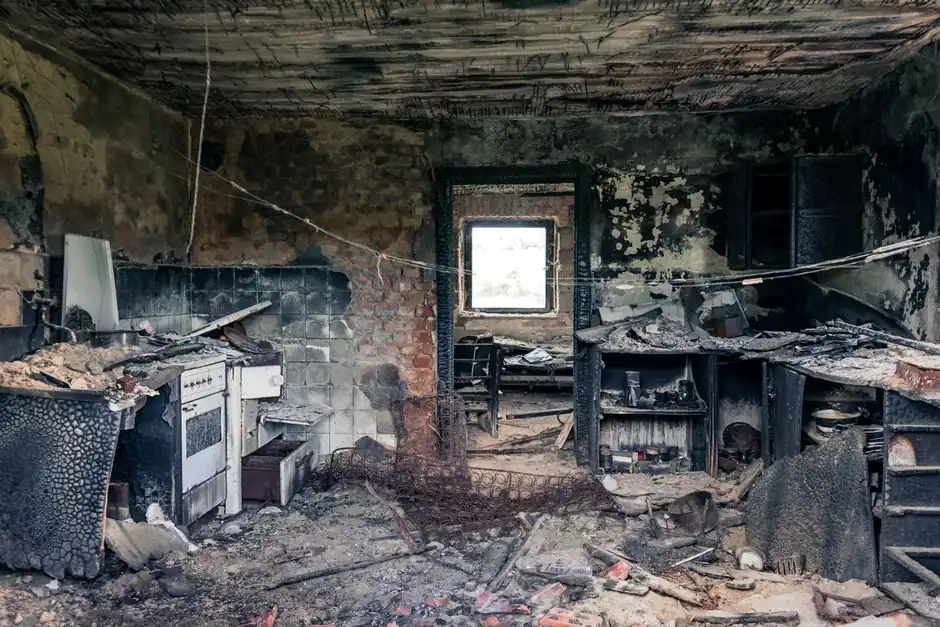
Frozen Pipe in a Highlands Kitchen Wall
A supply line froze and burst behind a kitchen wall in January. Water ran into the cabinet base and across the hardwood floor for hours before the homeowner shut it off. The wall looked dry on the surface. → Thermal imaging found the wet cavity. We opened a small section, dried it with an injectidry wall drying system, and dried the hardwood with a floor drying mat system. Readings were normal in five days and the flooring did not cup.
Sewage Backup Cleared in a Southbridge Basement
A storm overwhelmed the combined sewer and pushed sewage backup into a basement laundry area. Contaminated water covered the floor and soaked the bottom of the drywall and baseboard trim. → We removed the affected drywall and trim, applied antimicrobial spray, and dried the framing with commercial dehumidifiers. The space was dry and disinfected in five days, with documentation for the insurance claim.
Problems we solve
Problems We Solve With Flood Water Removal
Most of the calls we take come down to a handful of failures. Here is what they look like and how we handle them.
Sump pump fails during a storm
We pump and extract the standing water, pull wet carpet and pad where needed, and set drying equipment the same visit. We also check the sump pump and discharge line before we leave so you know what failed.
Frozen pipe bursts in a cold snap
We shut off the water, relieve the ceiling or wall cavity, extract, and dry the framing with an injectidry wall drying system. We work directly with your plumber so the repair and the drying happen together.
Sewage backup in the basement
We remove affected materials, apply antimicrobial spray, and dry the structure with commercial dehumidifiers. Our IICRC AMRT certified technicians follow Delaware Division of Public Health mold remediation guidelines on every contaminated job.
Hidden moisture behind walls after a leak
We use a thermal imaging camera, moisture meter and boroscope inspection camera to map the wet zone, then dry it. Moisture detection for water damage is the step that catches what a visual inspection misses.
Pricing process
What Flood Water Removal Costs
$1,200 - $4,500 depending on scope
Water volume and depth
A few inches in an unfinished basement is a short extraction. Deep standing water or water that has spread across multiple rooms takes longer to pump and extract, and it usually means more materials are affected.
Water category
Clean water from a supply line is the simplest job. Sewage backup and storm flooding are contaminated, which means affected materials come out, antimicrobial treatment goes down, and disposal adds cost.
Affected materials
Carpet, pad, drywall, hardwood and subfloor each dry at a different rate. Hardwood and finished drywall take longer and need specialty drying systems, which adds equipment time to the job.
Customer reviews
Reviews From wilmingtonde Customers
★★★★★
“Our sump pump died during a storm and we had four inches of water in the basement by morning. The crew was here by 7 a.m., pulled the water out in a couple of hours, and had air movers and a dehumidifier running the same day. They checked the moisture every day and did not pull equipment until it was actually dry. Basement smells normal again.”
★★★★★
“A pipe froze and burst behind the kitchen wall in January. They cut into the wall, dried the cavity with an injectidry system, and worked directly with our insurance adjuster. The scope they wrote matched what the carrier approved, which saved us weeks of back and forth. Drywall went back up after the readings were normal.”
★★★★★
“We had a water heater fail in a first-floor unit and water ran into two neighboring units. Wilmington Water Damage Pros handled all three in one visit, documented everything with photos and moisture readings, and gave each tenant a clear timeline. Extraction started within two hours of my call. That is why we keep their number on file.”

How much does flood water removal cost in wilmingtonde Delaware?
Most residential jobs run $1,200 to $4,500 in 2026, depending on how much water there is and how many rooms are affected. A single flooded basement with a few inches of water sits at the low end. Sewage backup, finished basements and jobs needing drywall removal push toward the top. We give you a written scope before work starts, and we bill most insurance-covered jobs directly.
Who do I call for flooded basement cleanup in wilmingtonde?
Call a licensed water damage restoration company, not a general handyman. You want a crew with IICRC WRT and ASD certifications, commercial extraction and drying equipment, and insurance documentation experience. Wilmington Water Damage Pros handles flooded basement cleanup service in wilmingtonde around the clock at (302) 616-0751, and we can usually be on site the same day.
Does insurance cover flood water removal in wilmingtonde Delaware?
Most homeowner policies cover sudden water damage from burst pipes, appliance leaks and water heater failures. Storm flooding and surface water usually need separate flood coverage through the NFIP or a private flood policy. We document the loss with photos, moisture readings and an Xactimate scope so your adjuster has what they need, and we work directly with most carriers.
How long does flood cleanup take in wilmingtonde?
Extraction takes two to four hours on a typical basement. Structural drying runs three to five days with equipment running the whole time. Larger jobs with wet drywall, hardwood or crawl space water can stretch to seven days. We check moisture daily and do not pull equipment until readings hit the dry standard for your materials.
Related services
Related Services
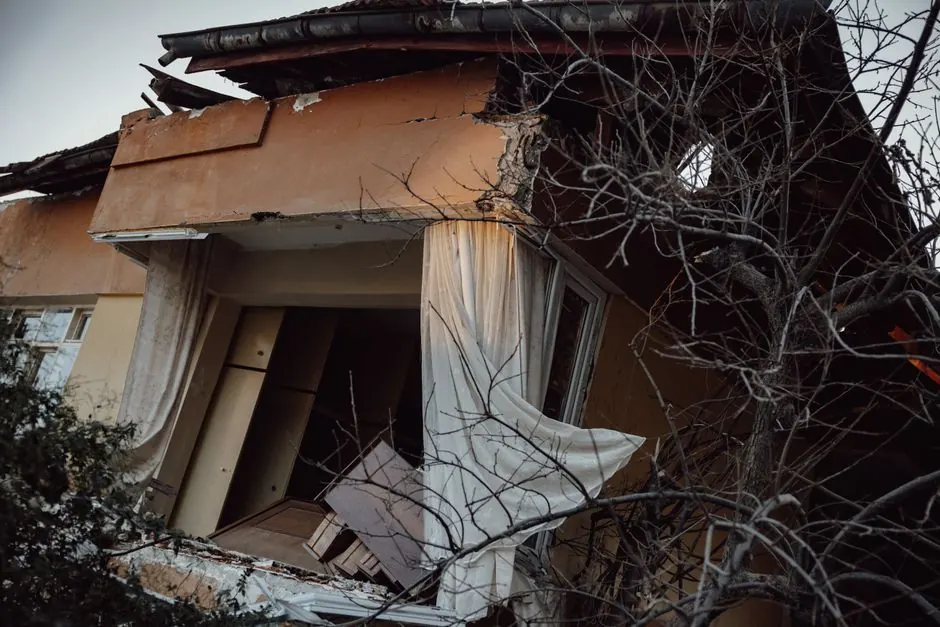
Emergency Water Damage Restoration
When water is still coming in from a burst pipe or storm, emergency water damage restoration stops the source and stabilizes the structure before full flood water removal begins. We handle both in one visit across wilmingtonde.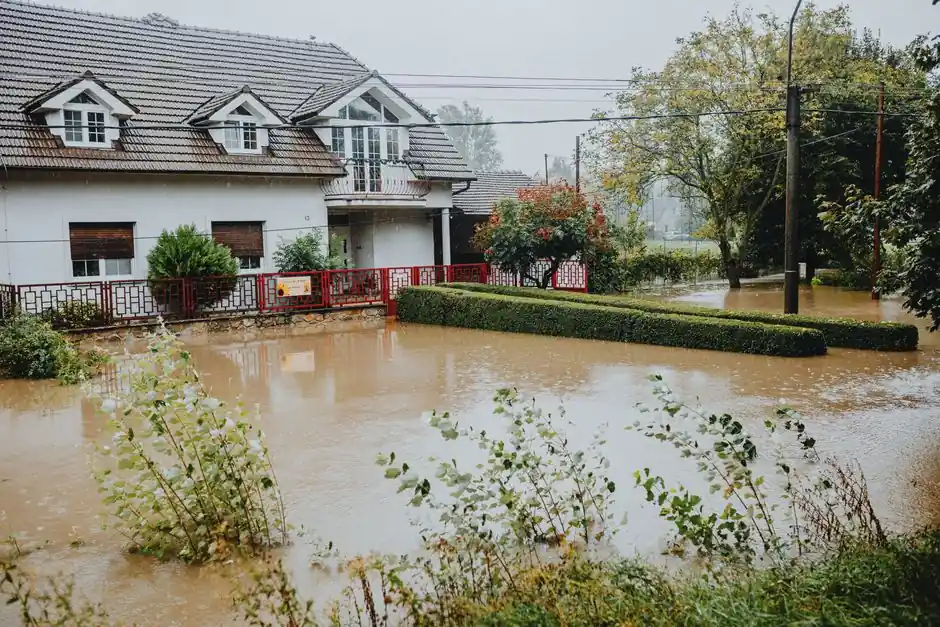
Residential Water Damage Restoration
Homes in Downtown Wilmington, Trolley Square and the Highlands have different plumbing and framing than newer builds. Our residential water damage restoration work pairs with flood water removal to dry living spaces, bedrooms and finished basements without tearing out more than needed.
Commercial Water Damage Restoration
Offices, restaurants and retail spaces on the Riverfront need fast turnaround to reopen. We schedule commercial water damage restoration around your hours and use desiccant dehumidifiers to dry large open floors quickly after flood water removal.Ready when you are
Need Flood Water Removal in wilmingtonde, Delaware Now?
We are licensed, insured and available 24/7 for emergency flood water removal across wilmingtonde. One call gets a crew moving, and we give you a clear scope before any work begins. Call (302) 616-0751.
Talk with the local team
Request Flood Water Removal
Water does not wait for business hours, and neither do we. Call (302) 616-0751 any time, day or night, and a live dispatcher will get a crew moving toward your address. Most wilmingtonde calls get a truck on site within 60 minutes.