Ceiling Water Damage Drying: How to Avoid a Collapse
A wet ceiling can sag and collapse in as little as 24 to 48 hours. Here is how to dry it safely, spot the warning signs, and know when to call a pro in Wilmington.
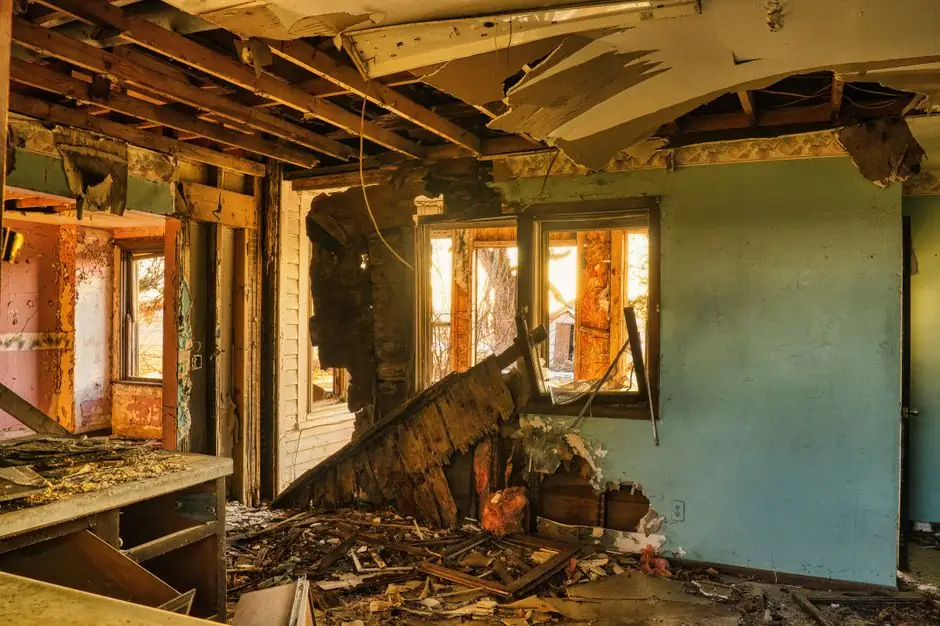
A wet ceiling usually collapses within 24 to 48 hours of the leak starting, and sometimes faster if the drywall is already sagging or the leak is still running. The way to prevent that collapse is to stop the water source, relieve the pressure with a small drain hole, and dry the cavity with moving air and dehumidification before the drywall loses its structural strength. This post walks through the drying timeline, the warning signs we see on calls across Wilmington, and the mistakes that turn a repairable ceiling into a full room rebuild.
Why a Wet Ceiling Collapses So Fast
Ceiling water damage drying how to avoid a collapse in Wilmington DE starts with understanding what water does to the materials above your head. Standard half-inch drywall weighs about 1.6 pounds per square foot when dry. Soak it and that number can double or triple. A 12-by-14-foot ceiling section that normally weighs around 270 pounds can suddenly be pushing 600 to 800 pounds down on the joists and fasteners.
Drywall paper also delaminates when it stays wet. The gypsum core turns to paste, the screws pull through, and the whole panel drops. In the older rowhouses and twin homes we work on around the Highlands and Bayard Square, the ceilings are often original plaster on wood lath. Plaster holds water longer than drywall and fails more suddenly, which is why a ceiling that looked fine yesterday can be on your floor this morning.
If you are dealing with active water right now, emergency water extraction wilmingtonde is the first step. You cannot dry a ceiling while water is still feeding into it.
How Do I Dry a Wet Ceiling in Wilmington DE?
Drying a wet ceiling in Wilmington DE means stopping the source, draining trapped water, and then running enough air movement and dehumidification to pull moisture out of the drywall, plaster, and joists. Here is the sequence we follow on every ceiling call.
- Kill the water source. Shut off the supply valve or the branch line feeding the leak. If it is a roof leak, that means tarping or temporary patching from above.
- Relieve the bulge. Poke a small hole at the lowest point of the sag with a screwdriver or a nail. Water will drain into a bucket. This sounds destructive, but it prevents a much bigger collapse.
- Remove standing water below. Wet carpet, hardwood, and subfloor all have to come dry too, or the moisture wicks right back up into the ceiling cavity.
- Set the drying equipment. High-velocity air movers aimed across the ceiling surface, plus a commercial dehumidifier to pull the moisture out of the air.
- Monitor with a moisture meter. Drywall needs to read below 1 percent moisture content on a pin meter before you close anything up.
For a small ceiling leak, a homeowner can handle steps one and two. Steps three through five are where most DIY attempts stall out. A box fan and a household dehumidifier move maybe 30 pints of water a day. A commercial LGR dehumidifier pulls 80 to 130 pints a day, and that is the difference between drying a ceiling in three days versus watching it mold in two weeks.
How long does ceiling drying take?
Most ceilings dry in three to five days with professional equipment. Plaster ceilings and ceilings with blown-in insulation above them take longer, often six to eight days, because the moisture has more material to travel through. If your ceiling is still damp after a week, the drying setup is wrong or there is a second leak you have not found.
Signs of Ceiling Collapse From Water in Wilmington DE
Signs of ceiling collapse from water in Wilmington DE show up in a predictable order, and the earlier you catch them the cheaper the repair. Watch for these:
- Bubbling paint or a bulging panel. This is water pushing the paint off the drywall from behind. It is the first visible warning.
- Brown or yellow rings. Old water stains mean the leak has been running for a while, even if you just noticed it.
- Sagging between joists. A ceiling that curves downward between the framing has already lost strength. This is a 24-hour window, not a week.
- Soft or spongy texture. Press gently with a screwdriver handle. If it sinks in, the drywall is compromised.
- Visible cracks running along the seams. The tape is letting go because the panel is moving.
- Dripping or a steady trickle. Active water means active damage. Shut it off and call.
If you see sagging plus dripping together, get out from under it and call for help. That ceiling is coming down.
How Long Before a Wet Ceiling Collapses in Wilmington DE?
How long before a wet ceiling collapses in Wilmington DE depends on the material and how much water is sitting on it. A drywall ceiling with an active leak can fail in 24 to 48 hours. A slow drip that has been soaking the panel for a week can fail the moment you touch it. Plaster ceilings in older Wilmington homes can hold water for several days and then let go all at once.
Here is the timeline we use when we are triaging a call:
- 0 to 6 hours: Water is spreading through the drywall. No visible sag yet. Drying is straightforward.
- 6 to 24 hours: Stains appear, paint bubbles, the panel starts to soften. Still very repairable.
- 24 to 48 hours: Sagging begins. The drywall is losing strength fast. This is the danger zone.
- 48 to 72 hours: Mold growth starts in the cavity. The ceiling may need to come down regardless of drying.
- Beyond 72 hours: Structural failure risk is high. Full replacement is usually the only option.
If you are inside that 24-to-48-hour window, you still have time to save the ceiling. If you are past 72 hours, you are looking at a tear-out and rebuild.
What to Watch Out For
The mistakes we see most often on ceiling water damage calls in Wilmington are the ones that turn a $600 drying job into a $4,000 rebuild.
- Poking a hole in the wrong spot. Drain at the lowest point of the sag, not the highest. A hole at the top just lets water spread sideways.
- Using a household fan only. A box fan moves air but does not remove moisture. Without a dehumidifier, you are just circulating damp air around the room.
- Painting over the stain. Kilz and stain-blocking primer hide the evidence but do not stop the moisture. The paint will bubble again within weeks.
- Ignoring the source. If the leak is a roof issue, a plumbing leak, or a failing appliance, drying the ceiling does nothing until that is fixed. We see this constantly with plumbing leak water damage cleanup wilmingtonde calls where the homeowner dried the ceiling but never fixed the supply line behind the wall.
- Skipping the moisture meter. A ceiling that feels dry to the touch can still be 25 percent moisture inside the cavity. That is mold territory.
- Not documenting for insurance. Photograph everything before you touch it. Your adjuster will want the before pictures.
One more thing: if your ceiling leak is coming from an upstairs bathroom, check the subfloor above it too. Water travels down and sideways. We frequently find that bathroom water damage drying wilmingtonde is needed on the floor above at the same time as the ceiling below.
When to Call a Professional
Call a professional when the ceiling is sagging, when the leak is still active, when the wet area is larger than about 10 square feet, or when you smell that musty, earthy odor that means mold has already started. Those are the four conditions where DIY drying stops working.
Our team at Wilmington Water Damage Pros handles ceiling water damage drying across the city, from the riverfront condos to the older rowhouses in Trinity Vicinity and beyond. We find the source, drain the cavity, set commercial drying equipment, and monitor moisture daily until the ceiling is back below 1 percent. We also handle the ceiling water damage drying in wilmingtonde, Delaware side of the job so you are not coordinating three different contractors.
If the water came from a storm or a roof breach, we also tarp and board up before we dry, so the ceiling does not get rained on twice. That is part of our storm water damage cleanup wilmingtonde service, and it is often the difference between saving the ceiling and replacing it.
Frequently Asked Questions
How do I dry a wet ceiling in Wilmington DE?
Stop the water source, poke a small drain hole at the lowest point of the sag, and run high-velocity air movers plus a commercial dehumidifier for three to five days. Check moisture with a pin meter daily. Do not paint or patch until the drywall reads below 1 percent moisture content.
When is a water damaged ceiling dangerous in Wilmington?
A ceiling is dangerous the moment it starts sagging between joists or feels spongy when you press it. That means the drywall has lost structural strength and can drop within 24 hours. Get out from under it and call for help immediately.
How long before a wet ceiling collapses in Wilmington DE?
An active leak can cause a drywall ceiling to collapse in 24 to 48 hours. Plaster ceilings in older Wilmington homes may hold for three to four days and then fail suddenly. Slow leaks that have been soaking for a week can fail the moment you touch them.
Who fixes ceiling water damage near me in Wilmington?
A licensed water damage restoration company fixes ceiling water damage. We handle the drying, the moisture monitoring, and the repair coordination. Call Wilmington Water Damage Pros at (302) 616-0751 for same-day service across the city.
Can I just let the ceiling dry on its own?
No. A wet ceiling does not dry on its own in a closed room. Moisture gets trapped in the cavity, mold starts within 48 to 72 hours, and the drywall keeps losing strength. You need active air movement and dehumidification to dry it safely.
Get Help With Water Damage Restoration in Wilmington
If your ceiling is sagging, dripping, or showing brown rings, do not wait for it to come down. We handle emergency ceiling water removal and drying across Wilmington, usually on the same day you call.
Call Wilmington Water Damage Pros at (302) 616-0751 and we will get the water stopped, the ceiling dried, and your home back to normal.